About the Customer
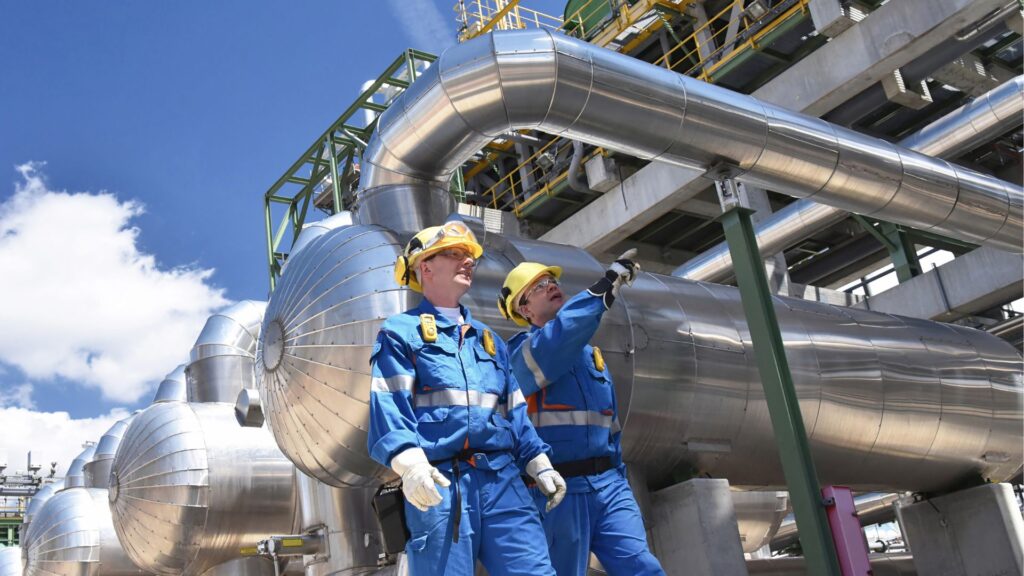
A single-site gas processing facility operating over 12,000 equipment units with 35 maintenance plans across critical operations. The site handles high-throughput industrial processes with stringent safety and compliance mandates.
Business Scenario
Prior to SAP PM, the plant faced unplanned downtimes, operational inefficiencies, and high maintenance overhead due to manual systems tracked through spreadsheets and disconnected platforms.
Challenges
Operating with manual maintenance tracking, the plant struggled with data silos, reactive maintenance practices, and limited visibility that caused production disruptions and compliance risks.
- Data Silos Across Operations – Equipment records, planning schedules, and maintenance history scattered across spreadsheets made unified asset visibility impossible.
- High Frequency of Reactive Maintenance – Lack of preventive scheduling led to unplanned breakdowns, emergency repairs, and costly production disruptions.
- Cumbersome Work Order Management – Manual work order creation resulted in delayed responses, unclear assignments, and difficult completion tracking.
- Spare Parts Stockouts – No linkage between maintenance and inventory caused frequent parts shortages, extending repair times and equipment downtime.
Solution
Maventic implemented SAP Plant Maintenance (PM) in a greenfield deployment, centralizing asset data, automating work orders, and improving equipment performance visibility.
- Centralized Equipment Master Data – Configured comprehensive master records for 12,000+ assets with proper hierarchies and maintenance requirements in unified SAP.
- Automated Preventive Maintenance – Deployed automated scheduling based on time, usage, or condition-based triggers, shifting from reactive to proactive maintenance.
- Digital Work Order Lifecycle – Streamlined end-to-end work order management from creation through closure with automated notifications and standardized workflows.
- Integrated Spare Parts Management – Connected maintenance with materials management, enabling automatic parts reservation, consumption tracking, and inventory optimization.
Business Impact
- Increased Maintenance Efficiency – Automated workflows improved technician productivity and reduced manual administrative effort.
- Reduced Unplanned Downtime – Preventive scheduling minimized unexpected equipment failures and production losses.
- Improved Asset Reliability – Centralized data and historical analysis enhanced equipment longevity and operational reliability.
- Optimized Resource Planning – Integrated spare parts and maintenance scheduling enabled better resource allocation and inventory control.